

Understanding their development
Neuropsychology and neurology cover developmental and cognitive assessment and specialist follow-up.
Explore evaluation
Assessment, guidance and therapy for neurodivergent people and their families. Find support with our interdisciplinary team.
 Interdisciplinary care
 Personalized support
 Family and community
 Child psychologyNeuropsychology
 SpecialistChild psychologyNeuropsychology
 TherapiesSpecialist dental care
 Support for organizations
 Family support
 Educational psychology
 Neurology
 Workshops and training
 Community
 A place where they belong.
About BEMY
We start by listening and understanding what matters to each family.
Our specialists support development, learning, communication and emotional well-being for neurodivergent people and their families.
Our interdisciplinary team considers each person’s strengths, needs and ways of learning, communicating and relating to others.
See how we workCoordinated care
BEMY’s proposed services include assessment, therapy, healthcare and family support.
Neuropsychology and neurology cover developmental and cognitive assessment and specialist follow-up.
Explore evaluationEducational psychology, speech and language therapy, and psychorehabilitation support learning, communication and independence.
Explore the servicesOral health care that considers the communication needs and participation of each child.
Explore dental careChild and family psychology supports emotional well-being and offers guidance for caregivers.
See family supportInterdisciplinary programs
Each plan starts with an individual assessment. The team recommends therapies based on each person’s needs.
BEMY proposes coordinated support for communication, adaptive skills, self-regulation and learning, with the family’s participation.
Individual goals.
A shared approach.
The proposal combines assessment with support for executive functioning and academic skills, including strategies for families and schools.
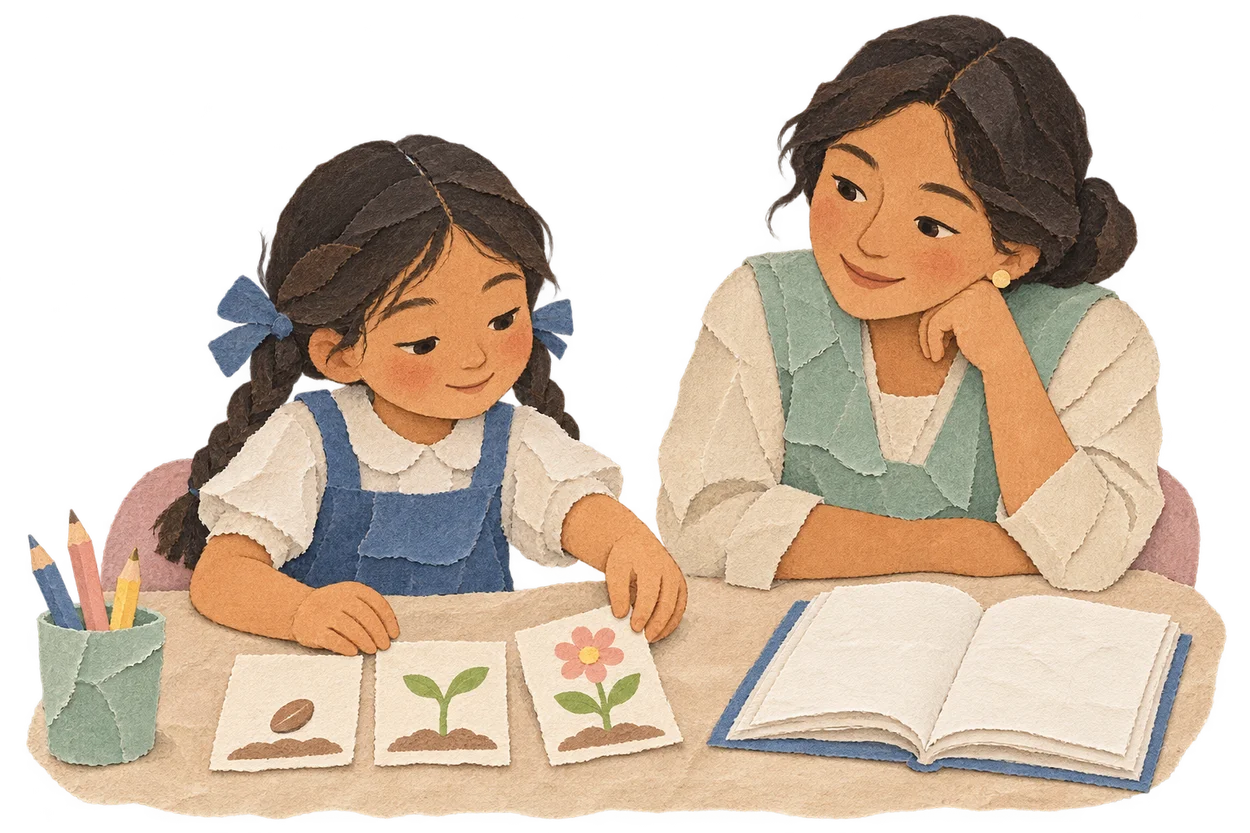
Individual goals.
A shared approach.
The proposed program supports thinking, communication, movement and adaptive skills in early childhood.

Individual goals.
A shared approach.
The proposal offers guidance for caregivers and practical ways to respond to everyday challenges.
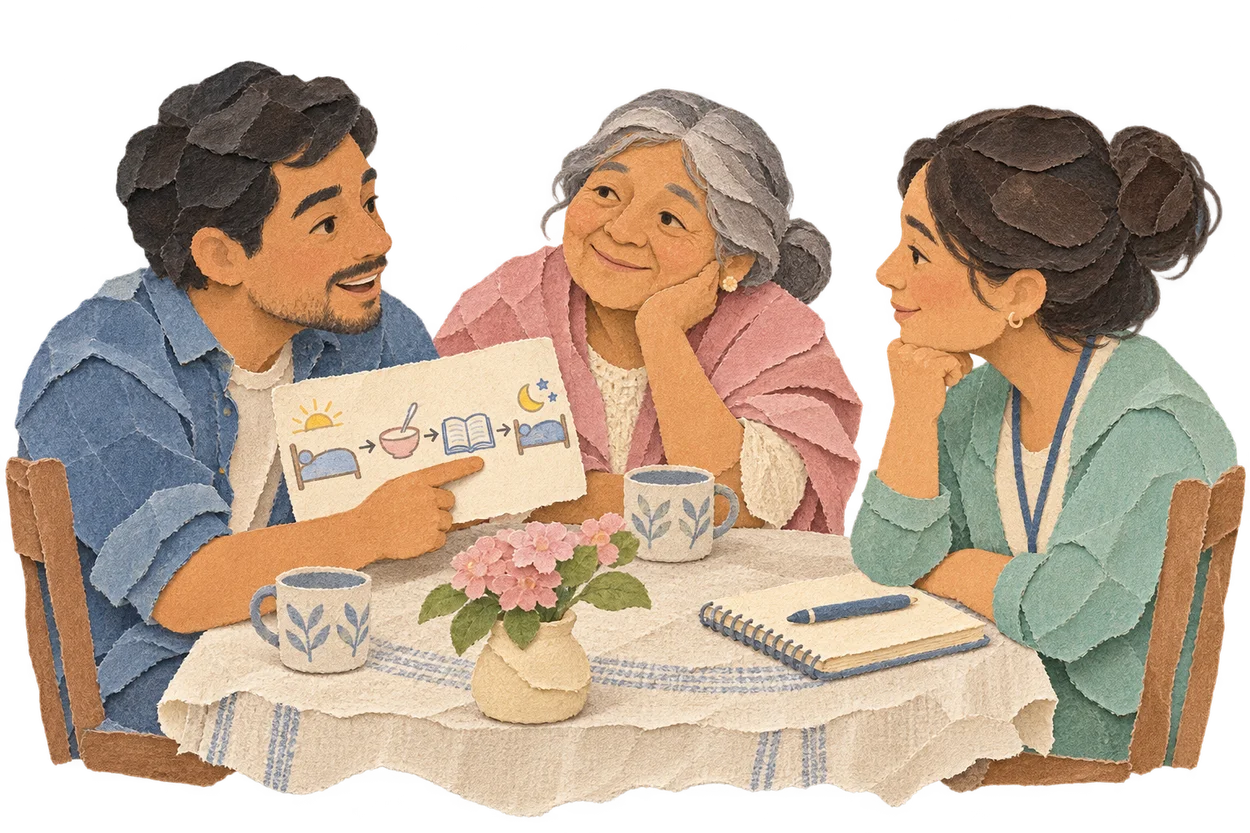
Individual goals.
A shared approach.
The proposal combines educational assessment, academic support and coordination with schools.
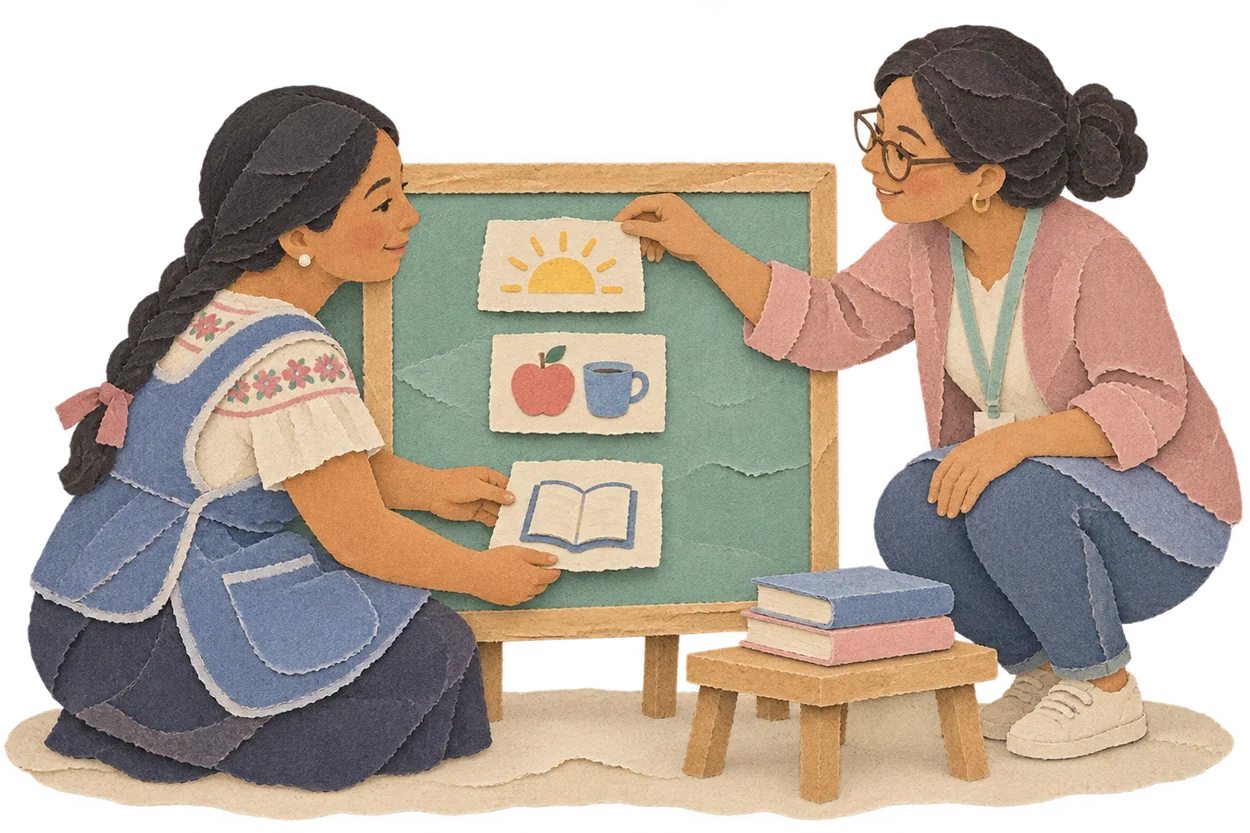
Individual goals.
A shared approach.
Programs described in BEMY’s portfolio. The team will confirm availability, professionals and conditions of care.
Everyone has their own path.
Scroll to follow the path Keep scrolling to explore.Share generally what support your family is looking for. We can start with your questions.


Ask about availability, how to get here and what to bring. Share any support needs when arranging your visit.
We’ll talk about what support might suit your family. Every family starts somewhere different.

Family, school and community
Home and school are part of daily life. BEMY proposes spaces to share tools and coordinate support.
Guidance for caregivers, sessions for families and workshops about everyday support.
Ask about family workshopsTraining and guidance for teachers, tailored to each organization’s needs and goals.
Ask about organizational supportA proposed community program with activities and benefits for families connected to BEMY.
BEMY’s blog
A space to learn and share as a family. Articles in preparation

An introduction to different ways of expressing ourselves.

Listening, collaboration and shared goals.

A look at individual strengths and different ways of learning.
Before you take the first step
Learn how BEMY works and prepare for a conversation with the team.
I have another questionStart by asking for guidance and describing the kind of support you’re looking for. BEMY can help you identify the right service and professional for a first conversation.
No. Support depends on the person’s strengths, needs and goals. The team may draw on several specialties when the assessment suggests it would help.
BEMY’s approach includes guidance for caregivers and collaboration on individual goals. The professional and family agree on how to work together.
The proposed services include educational assessment, support with literacy and mathematics, learning strategies and guidance for teachers. Coordination with school depends on individual needs and the care arrangements.
The proposal includes oral health assessment, prevention and gradual familiarization with the dental setting, with attention to sensory and communication needs. Procedures depend on professional assessment and availability.
Ask who will see you, when they are available, how long the visit takes, what it costs and what documents to bring. You can also share any accessibility needs. BEMY will confirm the details before the visit.
BEMY is in Quito, Ecuador. Check the opening hours and contact options to ask about an appointment and directions.
Draft answers based on BEMY’s proposed services. The center will confirm operational details before publication.
Let's talk about the next step
Choose what you’d like to ask about.
 Quito, Ecuador
Ask about an appointment